
Zhong Fa
Owner of Zhong Fa
Most buyers compare bikes by looking at price and top speed, then discover the real problems after a few weeks of daily riding. A short range, a slow charger, or a missing service point can turn a good-looking bike into a daily frustration. Knowing which factors matter before you visit a showroom keeps the decision calm and keeps you in control of the conversation.
Below, you'll find what each check means in practice, how electric bikes compare with petrol bikes, and how to match a model to your own commute.
How Do Electric Bikes Work?
An electric bike stores energy in a rechargeable battery, and a controller sends that energy to a motor that turns the wheel. When you twist the throttle, the controller decides how much power reaches the motor, which is why electric bikes feel smooth and respond instantly.
Unlike a petrol engine, an electric motor has very few moving parts and no gears to shift on most commuter models. This simple design explains the lower maintenance needs and the quiet ride that most owners notice within the first week.
Many first-time buyers skip this basic understanding and focus only on the price tag. That habit often leads to a bike that looks good in a showroom but doesn't match the rider's actual route, load, or budget, which is exactly why learning how to choose an e-bike properly matters before you visit any dealer.
What Should I Check Before Buying an EV Bike?

EV Bike Buying Guide
Start with five checks: battery range, motor power, running cost, charging time, and warranty. These factors decide how the bike performs after the first month, long after the showroom excitement fades.
Use this short checklist when comparing models:
- Battery capacity and chemistry: Confirm the type, the capacity, and how many charge cycles it is rated for.
- Motor power and torque: Check both figures, since torque matters more on slopes and with a passenger.
- Real-world range: Ask for range with a rider and passenger, not only the best-case figure.
- Charging method: Make sure the bike charges from a standard home socket.
- Warranty and service: Verify battery and motor coverage, plus the nearest service point.
- Test ride: Ride the bike yourself and pay attention to braking and comfort.
Applying these EV bike buying tips consistently filters out most poor purchases before you hand over any money.
How Do You Choose an E-Bike That Fits Your Commute?
The simplest way of how to choose an e-bike is to start with your daily distance and work backward. Take your daily ride length, add roughly 30 percent, and choose an e-bike that can cover the new figure without strain.
Next, think about your route. Flat city roads suit a moderate motor, while hilly roads or regular passenger riding call for stronger torque. Your parking and charging situation matters too, since a bike you can't charge easily at home quickly becomes a frustration.
Finally, think about who will ride it. A compact scooter suits shorter trips and riders who want easy handling, while a full-size electric motorcycle suits longer distances and heavier loads.
Which Battery Should You Choose for Your EV Bike?
Lithium-ion batteries are generally the best choice for EV bikes, since they are lighter, charge faster, and last through more charge cycles than lead-acid batteries. Lead-acid options cost less upfront but usually need replacing sooner and weigh considerably more.
Capacity also deserves attention. A higher capacity pack gives more range, but it also adds weight and cost, so the best battery is the one that matches your actual daily distance rather than the biggest one available.
A battery's warranty tells you a lot about the manufacturer's confidence. Brands that offer clear, written battery coverage generally stand behind their cells, while vague or missing terms are a warning sign worth taking seriously.
How Much Motor Power Does an EV Bike Need?
For city commuting on mostly flat roads, a moderate motor is enough. For slopes, passengers, or heavier loads, a stronger motor with good torque keeps the bike from feeling sluggish, and this is one of the most practical EV bike buying tips to remember when comparing models.
Don't judge by wattage alone. Two bikes with the same wattage can feel quite different if one delivers more torque, so ask for both numbers and compare them together.
Higher power also draws more from the battery, which reduces range. This is why a balanced setup usually beats an extreme one for everyday riding.
How Long Does an EV Bike Take to Charge?
Most EV bikes need a few hours for a full charge from a standard home socket, which makes overnight charging the easiest routine. Charging time depends on battery capacity, chemistry, and the charger supplied with the bike, which is why any solid EV Bike Buying Guide should treat it as a core checkpoint.
Lithium-ion packs generally charge faster than lead-acid ones. If you commute daily, plan to charge at night and start each morning with a full battery, rather than topping up midday.
How Much Does an EV Bike Cost to Run Per Month?
Running cost is where electric bikes tend to win. Charging at home costs far less than refueling a petrol bike over the same distance, so monthly running cost usually falls to a small fraction of the petrol equivalent.
Maintenance is lower as well, since there are no oil changes, spark plugs, or clutch repairs to budget for. The main long-term expense to plan for is eventual battery replacement, which is why battery warranty terms matter so much.
Cost Area
EV Bike
Petrol Bike
Upfront price
Moderate to high
Low to moderate
Monthly fuel or charging cost
Low
High
Routine maintenance
Low
Moderate
Major long-term expense
Battery replacement
Engine repairs
Is an EV Bike Worth Buying Compared to a Petrol Bike?
For most daily commuters, yes. Higher upfront cost is usually offset by lower running and maintenance costs, and the gap widens the more you ride.
A petrol bike still makes sense in a few cases: very long daily distances with no charging access, or riders who need instant refueling. If your daily trips are moderate and you can charge at home, an electric bike generally gives better long-term value.
Environmental benefit is a bonus rather than the main reason. Electric bikes produce no exhaust emissions on the road, which helps local air quality in busy cities.
What Kind of Warranty and Service Coverage Is Normal for an EV Bike?

EV Bike
A good EV bike purchase includes clear written warranty terms for the battery, motor, and controller. Ask how long each is covered, what voids the coverage, and whether replacement parts are stocked locally.
Service access matters just as much as the warranty itself. A bike with a strong warranty but no nearby service point can still leave you stranded for weeks, so confirm that a technician can reach you or that a workshop is within reasonable distance.
Which Is the Best E-Bike for Daily Commuting?
The best e-bike for daily commuting is the one whose range covers your round trip with a safety margin, whose motor suits your route, and whose battery and warranty give long-term peace of mind. For most riders, that means a balanced mid-range model rather than the cheapest or the most powerful option.
Students and short-distance riders often do well with a compact, affordable model. Professionals covering longer routes usually benefit from a larger battery and a sturdier build.
Why Consider Zhong Fa for Your Next Electric Ride?
Switching to an electric bike or scooter is one of the more practical ways to cut daily travel costs while keeping your commute simple and eco-friendly. With fewer moving parts and cheaper charging, electric mobility makes everyday riding more affordable and far less hassle.
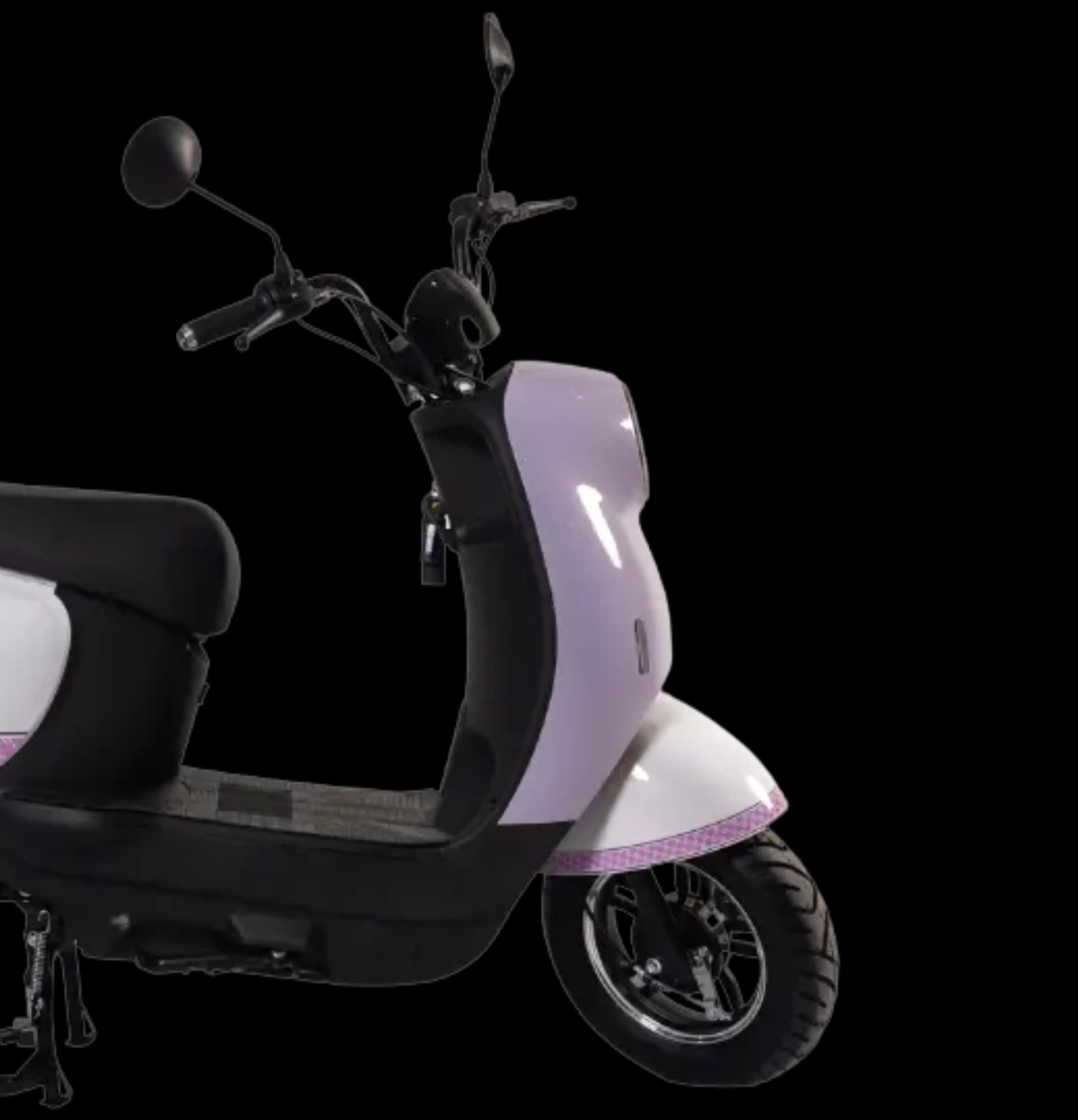
Zhong Fa offers a wide range of electric bikes and scooters, so you can match a model to your own routine rather than settling for a one-size-fits-all option. Riders who want performance can look at the G8-3000, a sports electric bike with an attractive design, while the Z6-2000 suits stylish riders and thrill seekers who want something modern and bold.
For everyday use, the CZ 125 is an electric take on the familiar 125 commuter, and the Y108 is a value-focused model with reliable performance. If you prefer something compact, the ZF N1 is an easy-to-ride scooter that works especially well for women riders, while the Parkour delivers excellent value and a dependable everyday ride.
Whichever model you lean toward, Zhong Fa brings reliable performance and modern electric mobility together. If you're ready to compare options, choose ZhongFa for your next electric ride.
Conclusion
A solid EV Bike Buying Guide comes down to one idea: match battery, motor, running cost, charging, and warranty to how you actually ride, not to the biggest number on a spec sheet. Riders who do this end up with a bike that feels right every single day.
Before you commit, take one clear next step: write down your daily distance and charging situation, shortlist two or three models, and test ride them to find the best e-bike for daily commuting on your own route. If you're still deciding, keep these EV bike buying tips handy, because they will save you from the most common and costly mistakes.