
Zhong Fa
Owner of Zhong Fa
Choosing between an electric bike and a petrol bike is no longer just a personal preference question. It's a decision shaped by fuel prices, city traffic, maintenance habits, and how far you actually ride every day. This guide breaks down Electric Bikes vs Petrol Bikes in a straightforward way, so you can decide which one actually fits your routine instead of just following the trend. It's easy to get caught up in specs and marketing claims, but the real answer usually comes down to simple, everyday factors most people overlook. By the end of this guide, you'll have a clear, practical way to judge which option genuinely works better for your own routine.
Most riders don't realize how much their daily habits shape this decision until they actually sit down and compare the two options side by side. A quick city commute feels completely different from a long weekend ride, and what works for one rider might not work for another at all. That's why it helps to break the comparison down into smaller, practical pieces rather than judging it as one big question.
We'll look at performance, running expenses, maintenance, and how this comparison plays out specifically for riders in Pakistan, where fuel prices and power availability both influence the decision.
What Is the Real Difference Between Electric Bikes and Petrol Bikes?

which is better EV or petrol bike
An electric bike runs on a battery-powered motor, while a petrol bike depends on an internal combustion engine that burns fuel to generate motion. That single difference changes almost everything about how each bike behaves on the road.
Here's a quick breakdown of the core mechanical differences:
- Electric bikes use a battery, controller, and electric motor with far fewer moving parts.
- Petrol bikes rely on a combustion engine, fuel tank, exhaust system, gearbox, and clutch assembly.
- Electric bikes deliver instant torque from a standstill, while petrol bikes need the engine to build up RPM first.
- Petrol bikes require a fuel supply chain, while electric bikes just need access to a charging point.
This is the foundation of the entire EV bike vs petrol bike debate. Everything else, from running costs to servicing needs, stems from this basic difference in how power is produced.
How Do Electric Bikes and Petrol Bikes Compare in Performance?
Electric bikes are known for smooth, instant acceleration because the motor delivers full torque immediately. This makes them feel quick and responsive in city traffic, especially at low speeds where petrol bikes often lag slightly due to gear changes.
Petrol bikes, on the other hand, generally hold an edge in sustained high-speed performance and long-distance touring. A petrol engine doesn't lose power output over a long ride the way a battery's charge naturally depletes, which matters if you're covering long highway stretches regularly.
For short to medium commutes, electric bikes usually feel more practical day to day. For riders who frequently travel long distances without reliable charging access, a petrol bike still has a performance advantage.
Electric vs Petrol Bikes Cost: What Should You Expect?
When people compare Electric vs Petrol Bikes cost, they're usually talking about three things: the upfront purchase, running expenses, and long term maintenance. We won't get into exact figures here since prices shift constantly based on fuel rates, electricity tariffs, and import conditions, but the general pattern is fairly consistent.
Running an electric bike typically costs noticeably less per kilometer than running a petrol bike, since electricity is generally cheaper than fuel on a per-ride basis. Petrol bikes also come with ongoing costs like engine oil changes, filter replacements, and periodic tuning that electric bikes simply don't need.
That said, electric bikes may involve a higher consideration around battery replacement further down the line, which is a cost petrol bike owners don't face in the same way. Over the full ownership period, most riders find electric bikes work out to be the more economical option, though the exact savings depend heavily on how much you ride and local energy rates.
Which Is Better EV or Petrol Bike, for Daily Commuting?
For daily commuting, especially in congested cities, most riders find electric bikes more convenient. There's no need to stop at a fuel station, the ride is quieter, and the instant torque makes weaving through traffic easier.
Which is better EV or petrol bike, really depends on your specific commute pattern though. If you're riding short, predictable distances with access to home or workplace charging, an electric bike is a strong fit. If your daily route involves long stretches, unpredictable detours, or areas without charging infrastructure, a petrol bike still offers more flexibility.
Think about your actual daily distance, not your occasional long trip, when making this call. Most commuters overestimate how far they ride day to day, and electric bikes are built precisely for that kind of consistent, shorter range use.
How Do Maintenance Needs Differ Between EV Bike vs Petrol Bike?
Maintenance is one of the clearest differentiators in the EV bike vs petrol bike comparison. Electric bikes have far fewer moving mechanical parts, which means less wear and tear over time.
Typical maintenance differences include:
- Petrol bikes need regular engine oil changes, spark plug checks, and carburetor or fuel injector servicing.
- Electric bikes mainly require occasional checks on the battery, motor, brakes, and tires.
- Petrol bikes need periodic chain lubrication and clutch adjustments; many electric bikes use simpler drivetrains with less upkeep.
- Electric bike servicing intervals are generally longer, reducing the number of workshop visits per year.
This lower maintenance demand is a major reason commuters and students increasingly lean toward electric bikes for everyday use.
Why Is Electric vs Petrol Bike in Pakistan a Growing Debate?

Electric vs Petrol Bikes cost
The electric vs petrol bike in Pakistan conversation has picked up pace for a few clear reasons. Fuel prices in the country fluctuate often, which makes running costs unpredictable for petrol bike owners. Electricity rates, while also variable, tend to offer more stable per-kilometer running costs for electric bike riders.
Air quality in major cities is another factor pushing this shift, with electric bikes producing zero tailpipe emissions compared to the exhaust output of petrol engines. On the flip side, inconsistent power supply in some areas raises valid concerns about charging reliability, which is something petrol bike owners don't have to think about.
Government policies encouraging electric vehicle adoption, along with a growing number of local electric bike manufacturers, are also shaping how riders view this decision. It's no longer a niche choice. It's becoming a mainstream consideration for anyone shopping for a new bike in Pakistan.
When Should You Choose an Electric Bike Over a Petrol Bike?
There's no single correct answer here, but certain riding patterns make the choice clearer. Consider an electric bike if:
- You mostly ride within city limits or short suburban distances.
- You have consistent access to a charging point at home, work, or college.
- You want to reduce ongoing servicing and fuel-related expenses.
- You're conscious about emissions and want a quieter, cleaner ride.
On the other hand, a petrol bike may suit you better if you frequently travel long distances, ride in areas with unreliable electricity access, or need quick refueling without planning charging stops.
Ride Smarter with ZhongFa Electric Bikes and Scooters
Switching to an electric bike isn't just about following a trend. It genuinely changes how much you spend on daily travel and how much time you lose to fuel stations, oil changes, and workshop visits. For students juggling a tight budget or professionals doing the same commute every day, that difference adds up fast.
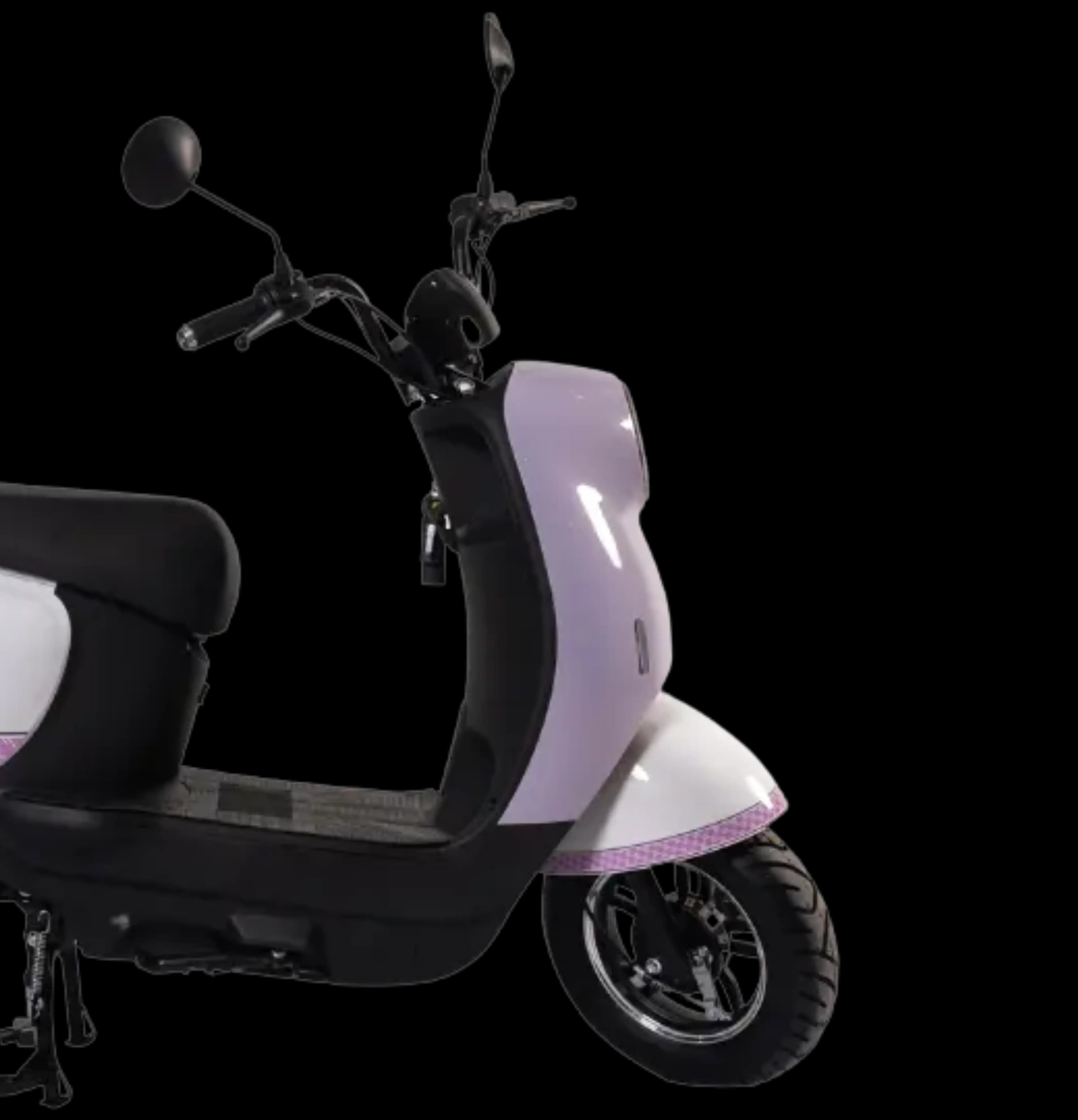
This is where having a reliable brand behind your electric bike matters. ZhongFa has built a wide range of electric bikes and scooters designed around exactly this kind of everyday use, from sporty performance models to simple, dependable commuters. Whether you want something that turns heads on the road, a compact scooter that's easy to handle in tight city lanes, or a straightforward value focused ride that just gets the job done, there's a model in the ZhongFa lineup built for that purpose.
What ties the range together is consistency. Reliable performance, sensible running costs, and a design language that feels current rather than dated. If you've been thinking about switching from a petrol bike to something more affordable and practical to run, exploring ZhongFa's electric bikes and scooters is a solid place to start your search.
Conclusion
There's no universal winner in this debate. Electric bikes generally offer lower running costs, simpler maintenance, and a smoother ride for daily commuting, while petrol bikes still hold an advantage for long-distance travel and areas with limited charging access. At the end of the day, your daily riding pattern matters more than any general opinion on which type is better.
The right choice comes down to how far you ride, where you ride, and what kind of upkeep you're willing to handle. For most city commuters and students, though, the case for going electric keeps getting stronger, and understanding trends in electric vs petrol bikes in Pakistan can help you make a decision that actually fits how the country's infrastructure is evolving.
FAQ’s
Are electric bikes cheaper to maintain than petrol bikes?
Yes, generally. Electric bikes have fewer moving parts, so they avoid costs like engine oil changes, spark plug replacements, and regular tuning that petrol bikes require.
Do electric bikes have enough range for daily commuting?
For most short to medium daily commutes, yes. Electric bikes are designed around consistent, predictable riding distances, making them well suited for regular city or campus commutes.
Is an electric bike better than a petrol bike for beginners?
Electric bikes are often easier for beginners because they have simpler controls, no clutch or gear shifting to learn, and smoother, more predictable acceleration.
How long does an electric bike battery last?
Battery lifespan depends on usage patterns, charging habits, and overall care, but with proper maintenance, batteries are built to serve riders reliably over several years of regular use.
Are electric bikes suitable for Pakistan's climate and roads?
Yes, most modern electric bikes are built to handle varied weather and road conditions, though riders should still check specific model specifications for heat tolerance and ground clearance based on their local terrain.