
Zhong Fa
Owner of Zhong Fa
This guide explains how electric bikes work in plain language, from turning the key to the rear wheel starting to spin. You will learn what each part does, how the parts talk to each other, and what to check when you compare models in the local market.
The Electric Bike System at a Glance

electric bike benefits
Every electric bike system is built around four working parts: a battery that stores energy, a controller that manages it, a motor that turns it into movement, and a rider interface such as a throttle, pedals, or a display. You can picture it as a compact team. The battery is the fuel tank, the controller is the driver deciding how much fuel to release, and the motor is the engine that does the pushing.
Unlike a petrol motorcycle, there is no combustion, no gearbox full of oil, and no exhaust. Electricity flows from the battery through the controller to the motor, and the motor spins the wheel or the drive chain. Fewer moving parts mean fewer things that can wear out, which is a big reason ownership costs stay low.
The Electric Bike Motor: Where Movement Begins
The electric bike motor converts electrical energy into rotation. Inside it, magnets and coils of copper wire interact. When current passes through the coils, they create a magnetic field that pushes against permanent magnets, and this push becomes a continuous spin. Reversing the current in the right sequence keeps the spin going smoothly.
Most modern machines use a brushless design. Older brushed motors relied on small carbon contacts that rubbed and wore down, while brushless units use electronic switching instead. The result is quieter running, better efficiency and much less maintenance.
There are two common layouts:
Hub motors sit inside the centre of the wheel, usually the rear one. They are simple, robust and popular on scooters and commuter models because there is no chain to adjust.
Mid-drive motors sit near the pedals and send power through the chain or a belt. They make better use of gears, which helps on steep roads, but they cost more and are seen mostly on bicycle-style builds.
Motor power is measured in watts. Lower ratings suit light city errands, while higher ratings deliver stronger acceleration and better hill climbing, and they suit heavier riders or those carrying passengers and loads. Match the rating to your daily route rather than chasing the biggest number.
The Electric Bike Battery: The Energy Store
The electric bike battery decides how far you can travel and how long the vehicle stays healthy. It is a pack of many small cells wired together. Wiring cells in series raises voltage and affects power, while wiring them in parallel raises capacity and affects range.
Two chemistries dominate the Pakistani market. Lead-acid packs are cheaper and heavy, and they lose capacity faster with repeated use. Lithium-ion packs cost more up front, weigh far less, hold more energy for their size, and last through many more charge cycles. For daily commuting, lithium usually works out cheaper over the years.
Every pack includes a battery management system, often shortened to BMS. This small circuit board protects the cells from overcharging, deep discharge, overheating, and short circuits. A pack without a proper BMS is a warning sign, so ask about it before buying.
You will usually see a battery's storage rated in amp hours or watt hours. A larger number means more stored energy and more distance per charge, though real range also depends on rider weight, road surface, speed, and temperature. Pakistani summers can be harsh on cells, so parking in shade and avoiding charging right after a long hot ride will extend their life.
The Electric Bike Controller: The Brain
The electric bike controller is a compact electronic unit that sits between the battery and the motor. It reads signals from the throttle, brake levers, speed sensors, and sometimes the pedals, then decides how much current the motor should receive at that instant.
When you twist the throttle a little, the controller sends a small amount of power. Twist it fully, and it delivers the maximum it is allowed to. It does this thousands of times per second by switching current on and off very quickly, a method called pulse width modulation, which gives smooth acceleration instead of a sudden jerk.
The controller also acts as a safety guard for the entire electric bike system. It limits current so the motor and wiring do not overheat, cuts power when you squeeze the brake, and shuts things down if the battery voltage falls too low. In many models, it also drives the display that shows speed, battery level, and riding mode. A quality controller makes a bike feel refined, while a poor one causes stuttering, weak climbing, and early failures.
How Electric Bikes Are Powered From Plug to Pavement
Understanding how electric bikes are powered means following the energy step by step:
You plug the charger into a normal household socket. The charger converts alternating current from the grid into direct current suited to the battery.
The battery management system monitors the charge and stops it when the cells are full.
When you ride, the battery releases direct current to the controller.
The controller shapes that current according to your throttle input and sends it to the motor.
The motor spins, and that rotation drives the wheel directly or through a chain.
A full charge usually takes several hours, and many owners simply charge overnight. Because the energy comes from the grid, running costs per kilometre are a fraction of petrol costs, and riders with rooftop solar can lower them even further.
Throttle, Pedal Assist and Regenerative Braking
Riders control power in a few ways. A throttle works like a motorcycle grip: twist and go. Pedal assist adds motor help only while you pedal, and sensors detect your effort and blend the motor's push with yours. Some vehicles offer both, letting you choose between effortless riding and light exercise.
Regenerative braking is another clever feature found on certain models. When you brake or roll downhill, the motor briefly acts as a generator and sends a small amount of energy back to the battery. The gain is modest, but it reduces brake wear and squeezes a little extra range out of stop-and-go traffic.
Electric Bike Benefits Worth Knowing

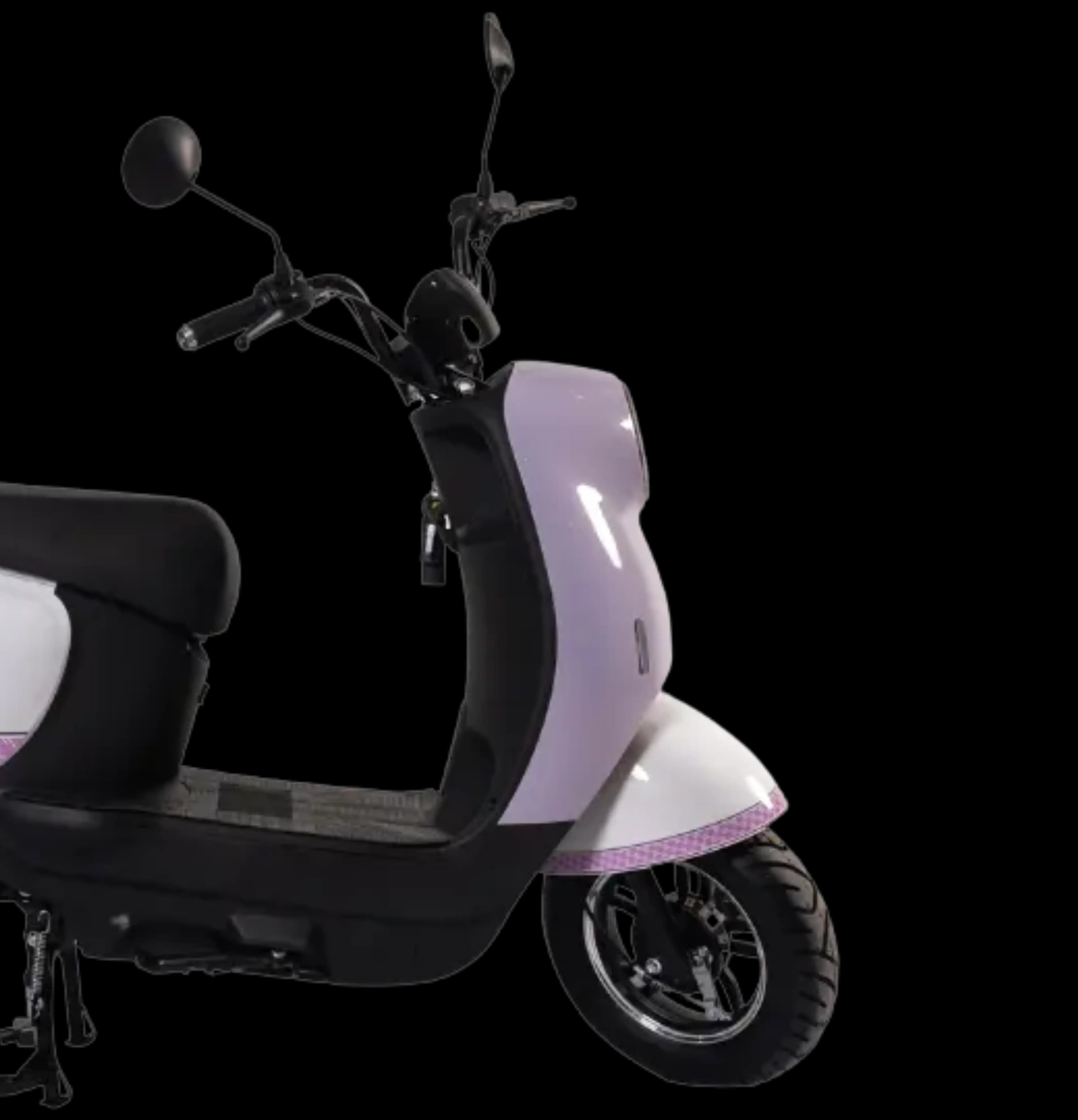
electric bike
The everyday electric bike benefits are practical, and they show up quickly in the household budget. Lower running costs come first. Electricity per kilometre costs far less than petrol, and there are no oil changes, spark plugs, or clutch repairs.
Simple maintenance follows. With fewer mechanical parts, servicing mostly means checking tyres, brakes, wiring, and the battery. Quiet, smooth riding makes traffic less stressful. There is no engine vibration, no noise at traffic lights, and no exhaust smell.
Cleaner air is a real gain in congested cities where smog is a health concern. Zero tailpipe emissions mean you are not adding to street-level pollution.
Easy access is the last one. Many models need no gear changes and have a gentle learning curve, so students, working professionals, and older riders can all use them comfortably.
What to Keep in Mind When Buying in Pakistan
Start with your daily distance and add a safety margin so you never arrive home on empty. Check the battery chemistry, the warranty period, and whether spare batteries are stocked locally. Ask about after-sales service, because a strong support network matters as much as the specification sheet. Inspect the quality of wiring, the brakes, and the suspension, and take a test ride on a road similar to your commute.
If you are comparing brands, ZhongFAEV publishes specifications for models such as the G8-3000 and Z6-2000, so you can review motor, battery, and range details side by side with other options before deciding. Reading real specification data is always better than trusting a headline claim.
Simple Care Habits That Extend Life
Charge with the original charger, avoid draining the pack to zero regularly, and keep the vehicle out of direct sun and standing water. Wash gently and never point a high-pressure jet at the motor, controller or battery connectors. Keep tyres at the recommended pressure, since low pressure reduces range. Finally, have the electrical connections inspected at a service point once in a while, because loose contacts create heat and waste energy.
Conclusion
Once you understand the electric bike benefits, the technology is refreshingly straightforward: a battery stores energy, a controller manages it, and a motor turns it into motion. Knowing this helps you ask sharper questions, compare products fairly, and look after your ride properly.
If you are ready to move away from petrol, choose an electric bike that fits your route, your budget, and the service support available in your city, then enjoy the savings and the quiet ride.