![Are Eco-Friendly Motorbikes Worth It in Pakistan? [2026 Analysis]](/_next/image?url=https%3A%2F%2Fcdn.sanity.io%2Fimages%2F5994gh0r%2Fproduction%2Fae3c1414b2a8a310d38e997438f6ddae7d80f558-1366x768.jpg%3Frect%3D0%2C43%2C1366%2C683%26w%3D1200%26h%3D600&w=3840&q=75)
Zhong Fa
Owner of Zhong Fa
Pakistan's roads are changing faster than most riders realize. Rising fuel costs, growing pollution concerns, and a wave of new electric motorbikes have pushed commuters to rethink what they ride every day. The question isn't whether electric mobility exists anymore. It's whether it's genuinely worth adopting right now.
This article breaks down the real-world value of eco-friendly motorbikes in Pakistan, covering performance, practicality, environmental impact, and what riders should know before switching from petrol to electric.
Yes, eco-friendly motorbikes are worth it for most Pakistani riders in 2026, especially commuters, students, and short-distance travelers. They offer lower running costs, reduced maintenance, and a smaller environmental footprint compared to conventional petrol bikes. The main trade-offs are charging infrastructure and range, both of which are improving steadily across major cities.
What Are Eco-Friendly Motorbikes?
Eco-friendly motorbikes are two-wheelers powered by rechargeable battery systems instead of internal combustion engines. Instead of burning petrol, they draw energy from lithium-ion or lead-acid battery packs to power an electric motor.
These bikes fall under the broader category of green motorbikes and sustainable motorbikes, terms used interchangeably to describe vehicles designed to reduce emissions and reliance on fossil fuels. Most modern models also qualify as electric motorcycles, offering torque delivery and acceleration that rival or exceed those of traditional 100cc to 125cc petrol bikes.
How Do Electric Motorbikes Work?
An electric motorbike runs on three core components: a battery pack, a motor controller, and a brushless DC motor. The battery stores energy, the controller regulates power flow, and the motor converts that electricity into mechanical movement that turns the wheels.
Riders charge the battery through a standard wall socket or a dedicated charging dock, similar to charging a mobile phone but on a larger scale. There's no clutch, no gear shifting in most models, and no exhaust system, which simplifies both riding and maintenance.
Why Are Eco-Friendly Motorbikes Gaining Popularity in Pakistan?

green motorbikes
Several forces are converging to make electric two-wheelers more attractive across Pakistani cities. Fuel prices have remained volatile for years, squeezing household transport budgets. At the same time, urban air quality has become a growing public health concern, particularly in cities like Lahore and Karachi.
Government incentives for electric vehicle adoption, combined with falling battery production costs globally, have also made electric motorcycles more accessible than they were even three years ago. Local manufacturers have responded by expanding their electric lineups to meet this shifting demand.
Are Eco-Friendly Motorbikes Good for Pakistan's Climate and Roads?
Pakistan's mostly urban, stop-start riding conditions actually suit electric bikes well. Short daily commutes, frequent traffic stops, and moderate speeds are exactly where electric motors perform efficiently, since they don't waste energy idling like petrol engines do.
Heat is a valid concern, and battery performance can dip slightly during peak summer months. However, most modern battery management systems are designed with thermal regulation to handle Pakistan's climate without significant performance loss.
What Are the Environmental Benefits of Green Motorbikes?
The environmental case for green motorbikes rests on three main factors: zero tailpipe emissions, reduced noise pollution, and lower lifecycle carbon output when charged responsibly.
A single petrol motorbike can emit a measurable amount of carbon dioxide and particulate matter over its lifetime, contributing directly to urban smog. Electric bikes eliminate this tailpipe output entirely, which matters in cities where air quality index readings regularly reach unhealthy levels.
Noise reduction is another underrated benefit. Electric motors run significantly quieter than combustion engines, which contributes to a calmer riding experience and less noise pollution in dense residential areas.
Common Mistakes People Make When Considering Electric Bikes
Many first-time buyers judge electric bikes purely on top speed, ignoring range, charging habits, and battery lifespan, which matter far more for daily use. Others assume all electric motorbikes charge and perform the same way, when battery chemistry and motor quality vary significantly between brands.
A frequent mistake is neglecting proper charging habits, such as letting the battery drain completely before recharging, which can shorten battery life over time. Riders also sometimes overlook terrain and load requirements, choosing a model built for light commuting when they actually need stronger torque for hilly routes or carrying passengers.
Best Practices for Getting the Most Out of an Electric Motorbike
Charge the battery regularly rather than waiting for it to fully deplete, since partial charging cycles are generally better for lithium-ion battery longevity. Store the bike in a shaded or covered area when possible, as extreme heat exposure can affect battery performance over time.
Keep tire pressure consistent, since electric bikes rely heavily on efficient rolling resistance to maximize range. Schedule periodic checks on the motor controller and wiring connections, even though electric bikes require far less maintenance than petrol engines overall.
Industry Statistics Worth Knowing
Electric two-wheeler adoption across South Asia has grown steadily, with Pakistan following regional trends seen in India and Bangladesh, where electric bike registrations have climbed year over year. Battery costs globally have dropped substantially over the past decade, making electric motorcycle production more affordable and accessible to local manufacturers.
Urban commuters in major Pakistani cities typically travel under 40 kilometers per day, a distance well within the range capabilities of most current-generation electric bikes on a single charge.
Expert Insight: What Riders Should Actually Weigh Before Switching
From years of observing motorbike adoption trends, the riders who benefit most from switching are those with predictable daily routes, access to home or workplace charging, and a preference for lower maintenance overhead. Long-distance highway travelers still face more limitations due to charging infrastructure gaps outside major cities.
That said, infrastructure is catching up quickly, and for the vast majority of Pakistani riders whose daily use falls within city limits, an electric bike covers real-world needs without compromise.
Which Is Better: Electric Bike or Electric Scooter?
Both serve different riding needs. Electric bikes generally offer stronger performance, higher speed capability, and a more traditional motorcycle riding position, making them suitable for riders who want power alongside efficiency. Electric scooters prioritize convenience, lighter handling, and ease of use, making them ideal for shorter city commutes and riders who value simplicity over speed.
Students and professionals commuting short distances often lean toward scooters for their compact, manageable design. Riders seeking a bit more excitement or a sportier feel typically prefer electric bikes for their stronger acceleration and road presence.
Why Choose Zhongfa EV for Your Electric Mobility Needs
Zhongfa EV has built its lineup around real riding needs across Pakistan, from daily commuting to performance-driven riding. The G8-3000 and Z6-2000 are designed for riders who want a sportier feel and stylish design without sacrificing reliability, while the CZ 125 offers a familiar 125-inspired riding experience reimagined with a clean electric powertrain.
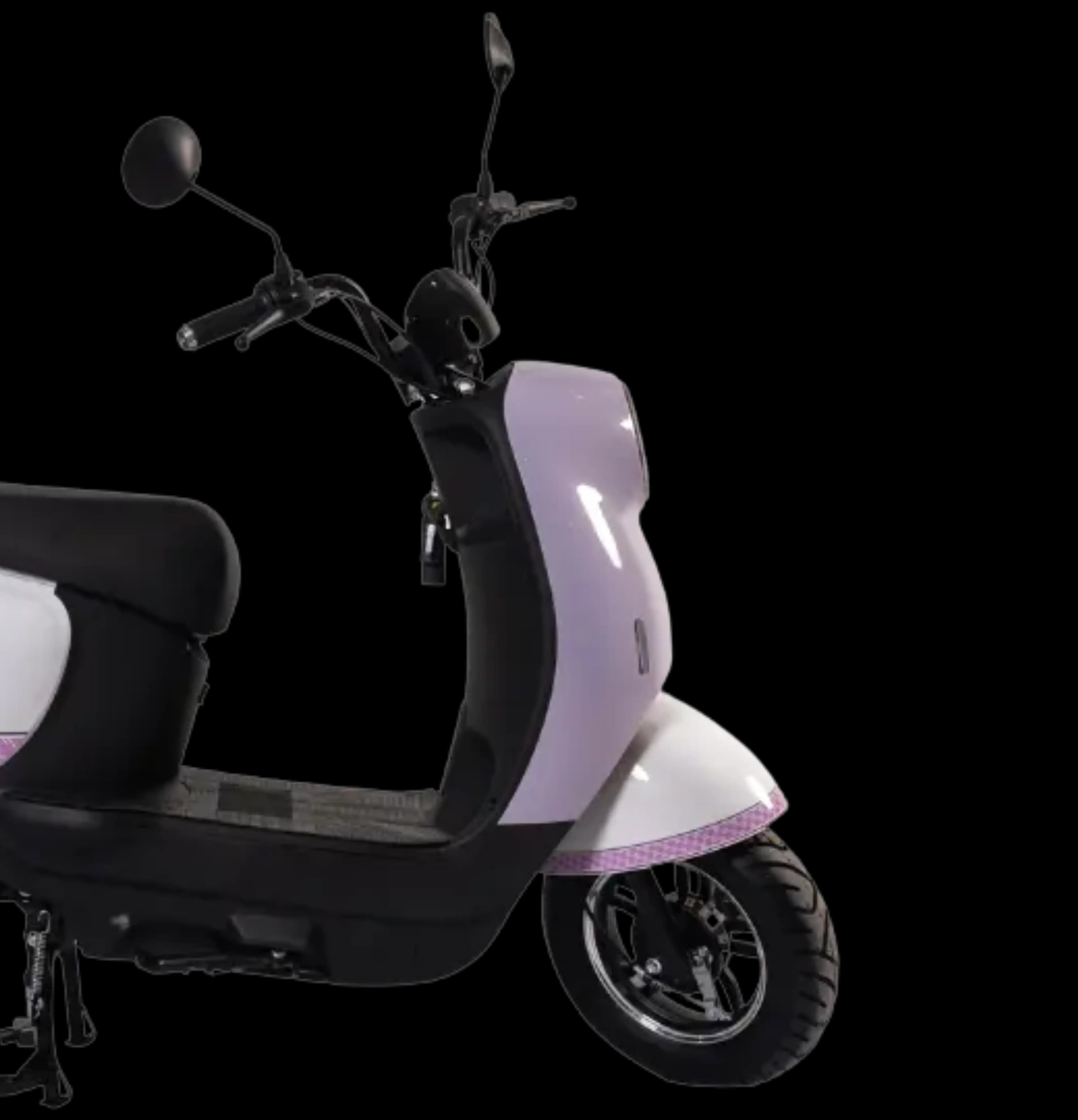
For everyday practicality, the Y108 delivers solid performance built for consistent daily use, and the Parkour remains a strong value-for-money choice for buyers focused on dependable, no-fuss transportation. Riders looking for compact, flexible urban mobility, particularly women seeking convenient and accessible commuting, will find the ZF N1 electric scooter well suited to city life.
Each model reflects a different riding priority, whether that's performance, style, convenience, or everyday reliability. If you're weighing your options for cleaner, more efficient transportation, it's worth exploring Zhongfa's electric bike and scooter lineup or reaching out to the team directly to find the right fit for your riding needs.
Conclusion
Eco-friendly motorbikes are no longer a niche experiment in Pakistan. They've become a practical, increasingly mainstream choice for commuters who want lower running costs, reduced environmental impact, and simpler maintenance. The right choice ultimately depends on your riding purpose, daily range needs, performance expectations, and comfort preferences.
Whether you're navigating city traffic, commuting to work or school, or simply looking for a cleaner way to get around, electric motorcycles and sustainable motorbikes offer a realistic path forward for Pakistani riders in 2026 and beyond.
FAQs
Are eco-friendly motorbikes reliable in Pakistan's hot climate?
Yes, most modern electric bikes use battery management systems designed to handle high temperatures, though extreme heat can cause minor performance dips during peak summer months.
Do electric motorbikes require less maintenance than petrol bikes?
Yes, electric bikes have fewer moving parts, no oil changes, and no exhaust systems, which significantly reduces long-term maintenance needs.
How long does it take to charge an electric motorbike?
Charging times vary by battery capacity and charger type, but most models charge fully within a few hours using a standard power outlet.
Can electric motorbikes handle Pakistan's traffic and road conditions?
Yes, their instant torque and smooth acceleration make them well suited for stop-start city traffic and moderate urban road conditions.
What is the main difference between an electric bike and an electric scooter?
Electric bikes typically offer higher speed and stronger performance, while electric scooters prioritize lightweight convenience for short city commutes.
Do eco-friendly motorbikes actually reduce pollution?
Yes, they produce zero tailpipe emissions and significantly reduce noise pollution compared to petrol-powered motorbikes.
Are electric motorbikes suitable for long-distance travel in Pakistan?
They work best for daily commuting and shorter distances, since charging infrastructure outside major cities is still expanding.
How do I maintain battery health on an electric motorbike?
Avoid letting the battery fully deplete, charge it regularly, and store the bike away from extreme heat whenever possible.